
Choosing the right trapezoidal lead screw depends on several factors, including the thread size, material, surface finish and any machining required to install the lead screw in your machine. Below you will find more information about the most important topics.
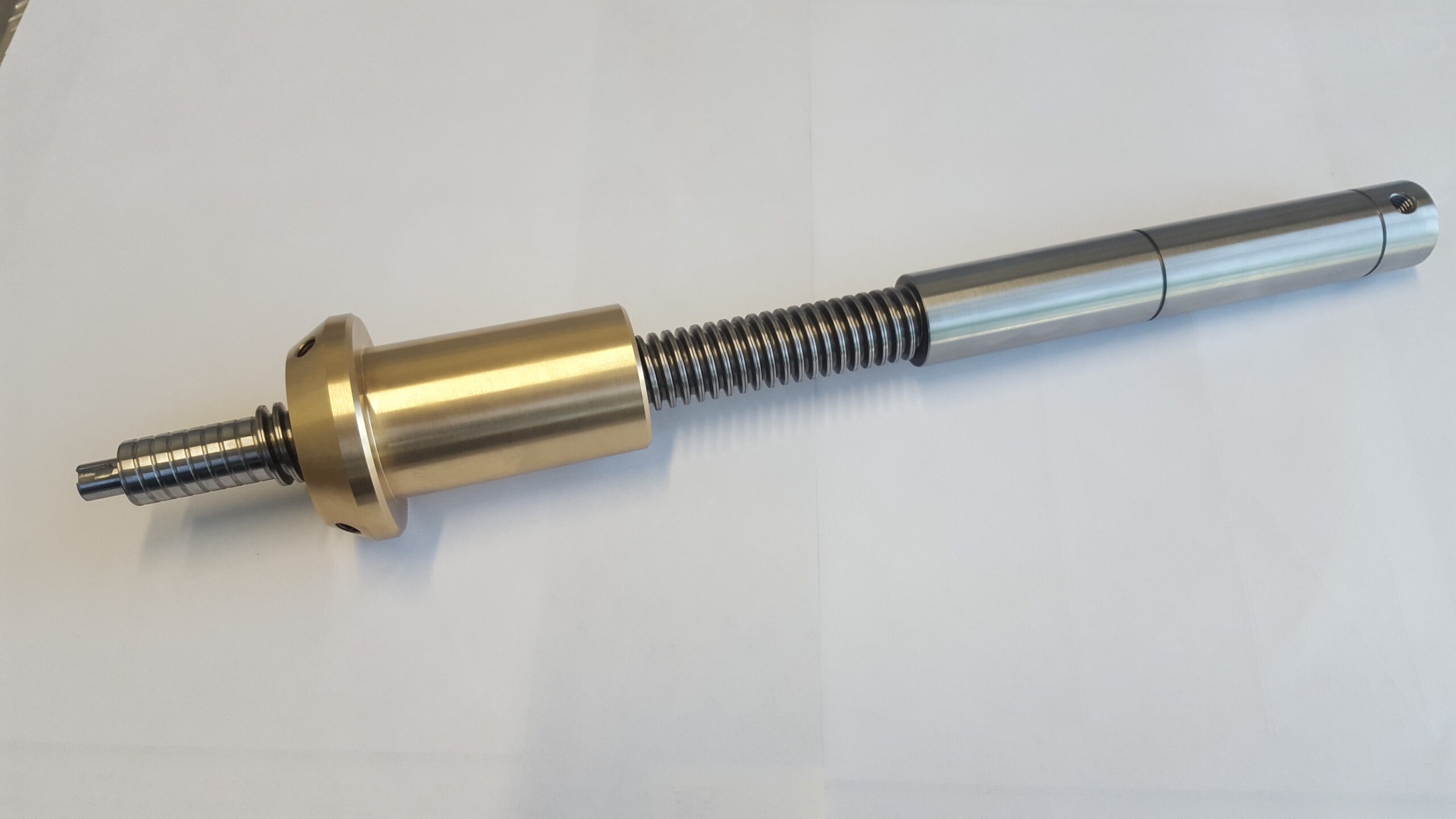
A trapezoidal lead screw always operates together with a lead screw nut. Therefore, it is not only the material of the lead screw that is important, but also its combination with the selected nut material. A well-chosen material combination reduces friction, minimizes wear and ensures a longer service life for the complete drive system.
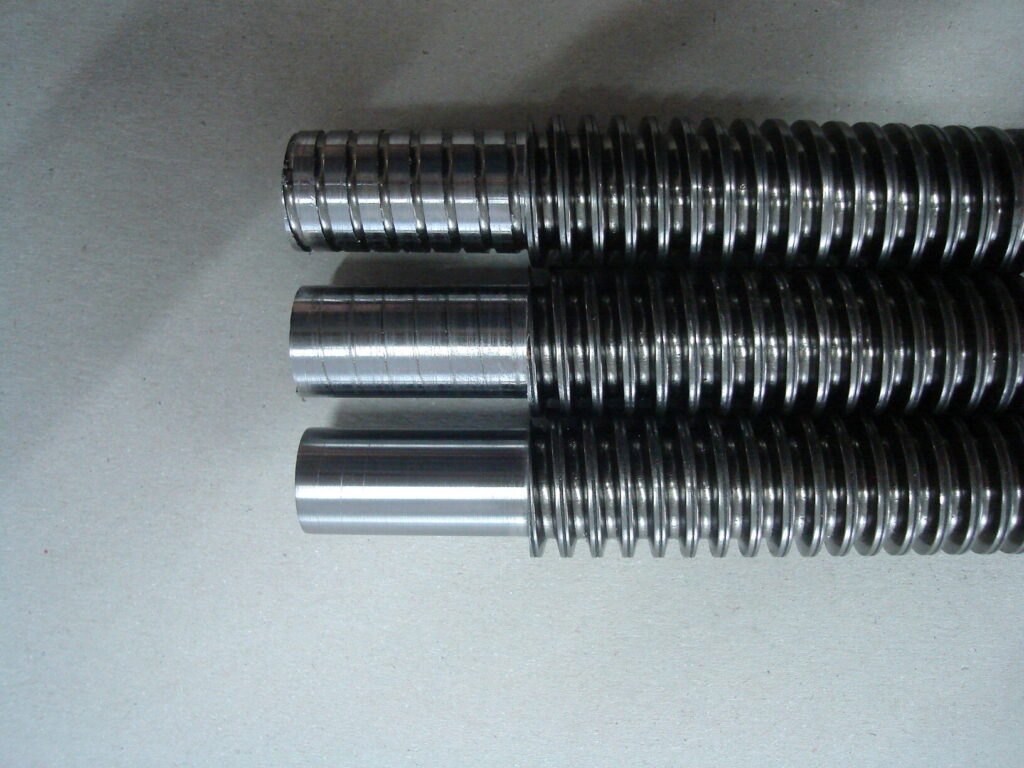
Many applications require the ends of a trapezoidal lead screw to be machined with bearing seats, threads or other custom features. When machining lead screw ends, it is important to consider both the material properties and the geometry of the lead screw. Properly machined ends ensure easy installation and help prevent unwanted stresses within the assembly.

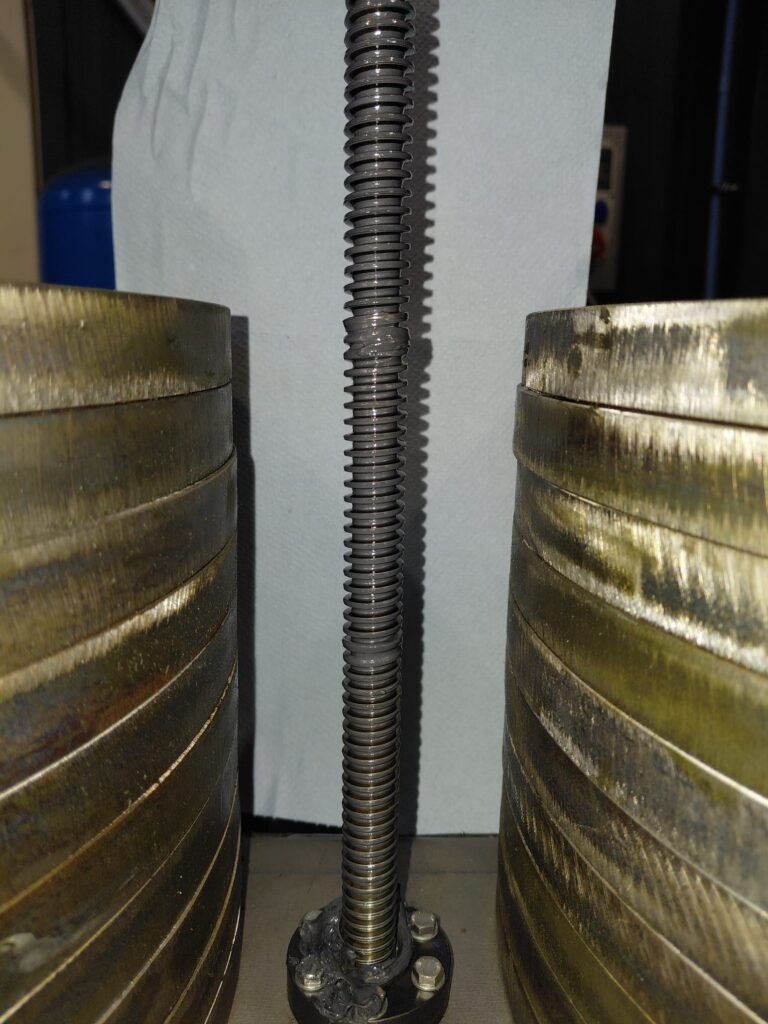
If you want to replace an existing trapezoidal lead screw, it is essential to determine the correct thread size. By measuring the outside diameter, thread pitch and thread direction, almost any trapezoidal thread can be identified. Our practical step-by-step guide helps you determine the correct size quickly and accurately.
Proper lubrication is one of the most important factors in achieving a long service life. The right lubricant reduces friction, dissipates heat and prevents wear particles from remaining between the thread flanks. Extensive testing has shown that a properly lubricated trapezoidal lead screw nut lasts many times longer than one operating without lubrication.