
The performance of a trapezoidal lead screw nut depends on much more than just the thread size. The material, load, lubrication and the combination with the correct lead screw all influence the service life and reliability of the drive system. Below you will find more information about the most important topics.
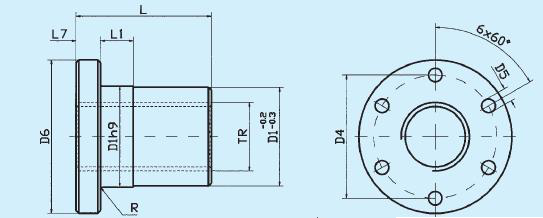
Trapezoidal lead screw nuts are available in a wide range of designs and dimensions. In addition to the thread size, nuts differ in outside diameter, flange diameter, mounting hole pattern and overall length. Selecting the correct dimensions prevents installation issues and ensures an optimal fit.

The maximum load capacity of a trapezoidal lead screw nut depends on several factors. Besides the thread size, the nut material, nut length, lubrication and the contact pressure between the lead screw and the nut all play an important role. A correct calculation prevents excessive wear and extends the service life of your application.
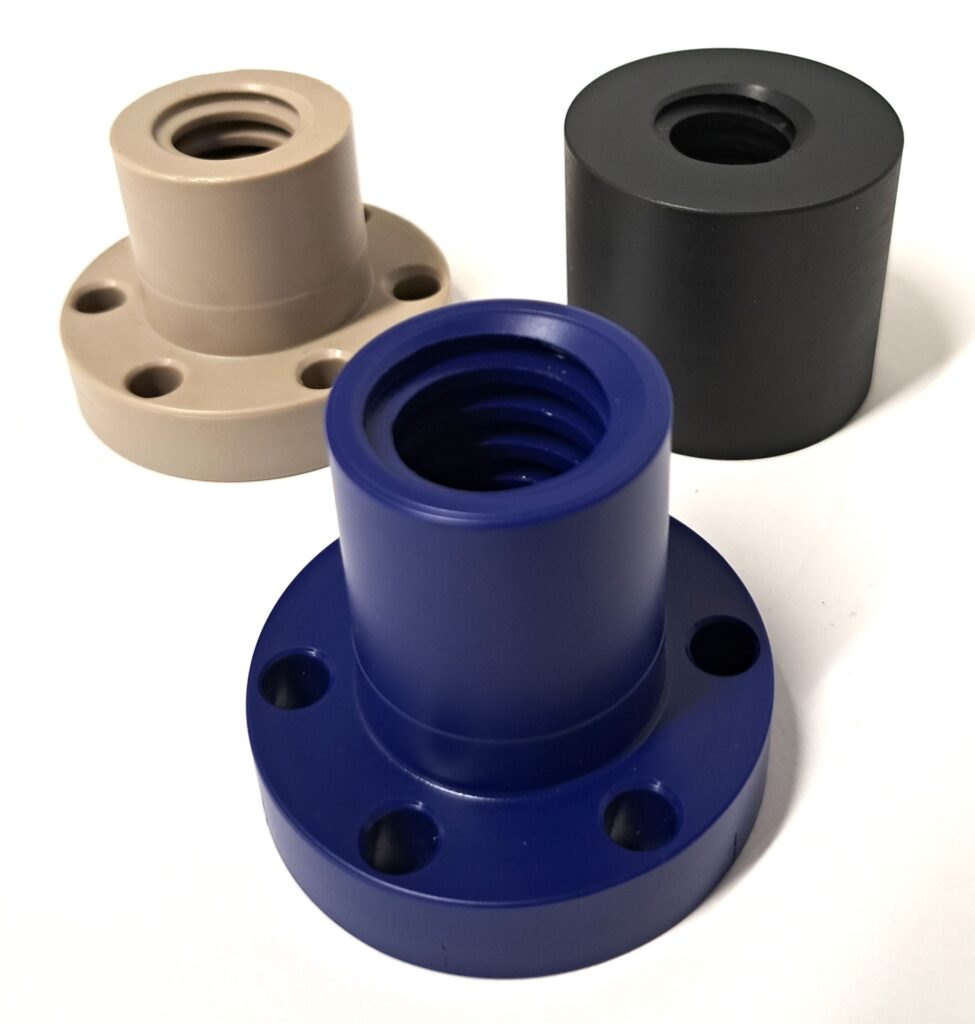
Plastic trapezoidal lead screw nuts are becoming increasingly popular in machine construction. They are lightweight, corrosion-resistant, quiet in operation and often self-lubricating. Materials such as PETP-SL, PA6-MoS₂, PEEK and HDPE each have their own characteristics and applications. Depending on the load, operating speed and environment, a plastic nut can be an excellent alternative to a bronze version.
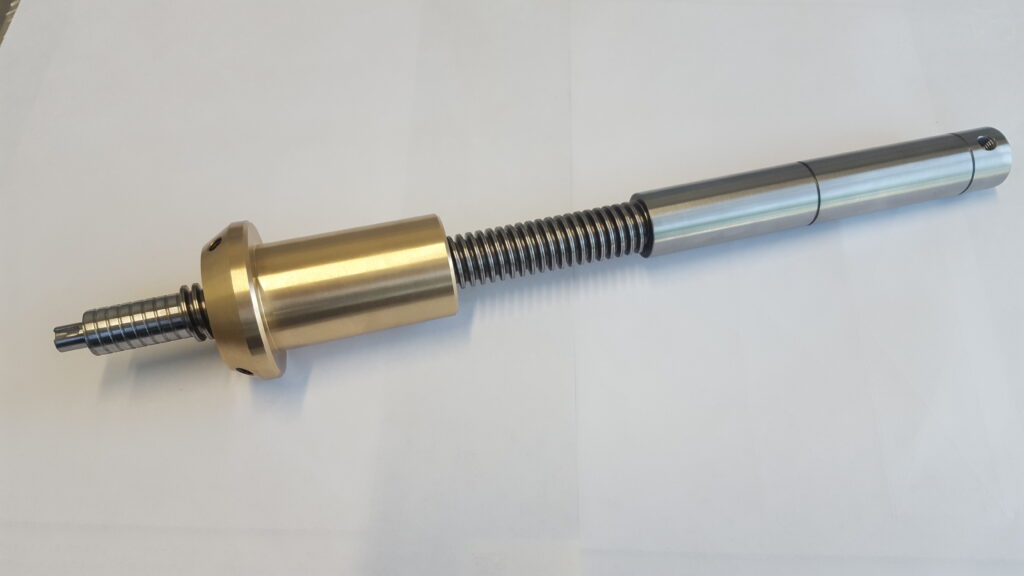
Not every combination of lead screw and nut materials is suitable. Some combinations provide low friction and a long service life, while others can result in accelerated wear or even seizure. Choosing the correct material combination is therefore essential for a reliable drive system.
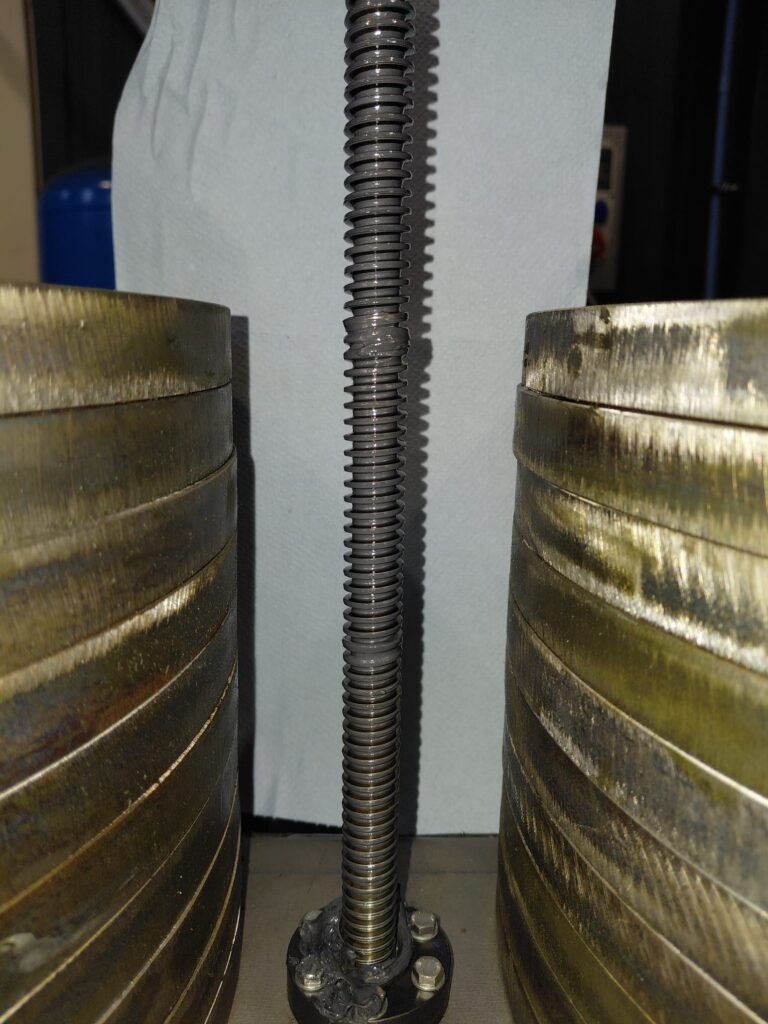
Proper lubrication is one of the most important factors in achieving a long service life. The right lubricant reduces friction, dissipates heat and prevents wear particles from remaining between the thread flanks. Extensive testing has shown that a properly lubricated trapezoidal lead screw nut lasts many times longer than one operating without lubrication.